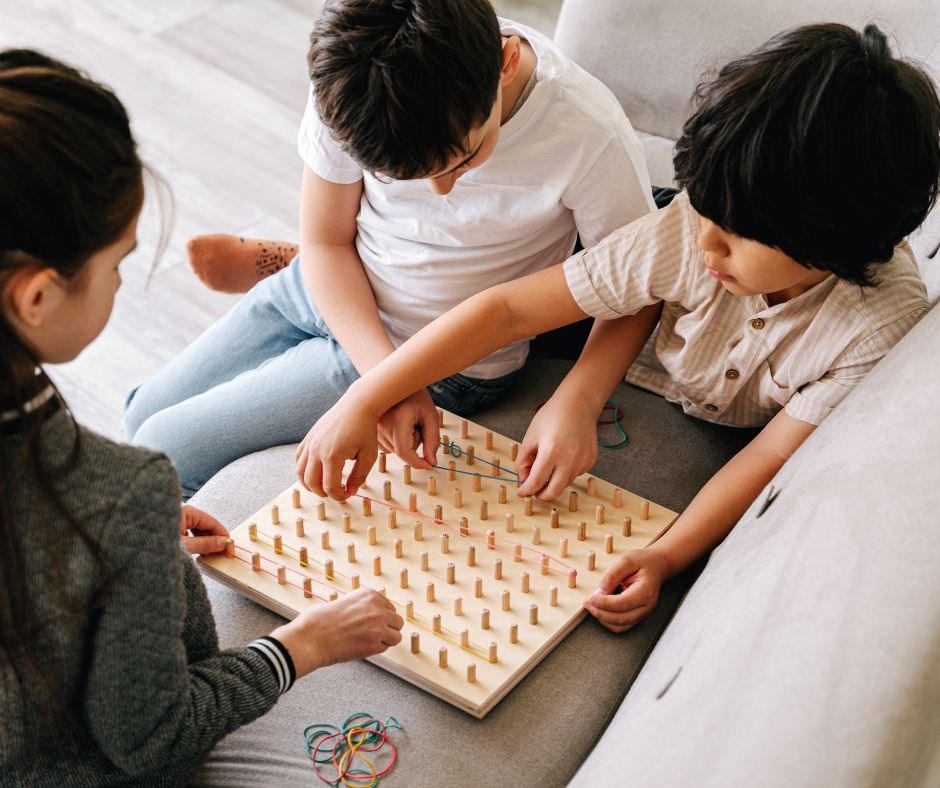
Learning Through Play: How Young Children Actually Learn at Home
Learning through play is one of those phrases we hear often in the early years, yet so many parents still wonder what it really looks like. Especially when “early learning” feels like something we’re supposed to plan or structure.
But here’s the quiet truth: young children learn in the most natural ways — through curiosity, connection, movement, stories, and simple moments at home. You don’t need a rigid plan or a perfect routine. You don’t need to recreate school.
If you’ve been worried about doing enough, take a slow breath. Your child is already learning beautifully. And in this gentle season, play isn’t a break from learning… it is the learning.
🌿 At-a-Glance
• Young children learn best through play, connection, and curiosity
• Early learning is sensory, hands-on, and rooted in everyday life
• You don’t need worksheets or rigid plans — simple moments count
• Play builds language, problem-solving, confidence, and imagination
• A gentle home rhythm helps children feel safe and ready to explore
• Your presence and warmth matter more than any curriculum
Childhood Is Not a Race
It’s so easy to feel the pull to rush, measure, or compare. But childhood isn’t something to speed through or turn into a checklist. Development unfolds at its own steady, beautiful pace, and our children bloom in their own time.
When life feels unhurried, learning settles in more naturally. Curiosity has space to grow. Play deepens. A child’s whole body relaxes into discovery. This is where real understanding takes root — not in pressure, but in peace.
You have permission to slow down. To trust the quieter rhythms. To remember that play isn’t a break from learning or a bonus after “real” work is done. It is the learning, and it’s happening every single day.
What “Learning Through Play” Truly Means
Learning through play is simply a child exploring the world in the way that feels most natural to them. It’s the way they test ideas, make sense of their surroundings, and follow the small sparks of curiosity that light up their days.
It isn’t a method to implement or a curriculum to follow. It’s not something you have to set up perfectly or enforce. Play is movement, imagination, problem-solving, storytelling, and connection. It’s the quiet work of hands and heart, happening all on its own.
And it’s fully developmentally aligned. Nothing about it is accidental or “extra.” These playful moments are the foundation of early learning — steady, meaningful, and beautifully child-led.
What Learning Really Looks Like in Early Childhood
In these early years, learning is woven into simple, everyday moments:
- Building block towers → balance, problem-solving, patience
- Pretend play → language, storytelling, emotional understanding
- Digging in the yard → cause and effect, sensory learning, curiosity
- Drawing, painting, or scribbling → fine motor skills, creativity, self-expression
- Climbing, jumping, or moving their bodies → coordination, confidence, spatial awareness
Young children learn with their whole bodies and whole hearts. They explore, imagine, repeat, and wonder — and through these natural moments, deep learning takes root.
Why Learning Through Play Matters Most
Play isn’t just fun; it creates the emotional safety children need to learn. When a child feels relaxed and connected, their mind opens, their curiosity grows, and learning settles in naturally.
Play also invites creativity, problem-solving, confidence, and exploration. Children try ideas, make mistakes, start again, and discover what they’re capable of without pressure or fear of doing it “wrong.”
Because play is low-pressure, it keeps curiosity alive. It protects that spark we want to nurture.
When early academics are forced or rushed, children often shut down the very qualities that make learning meaningful. But when learning comes through play, it stays joyful, steady, and developmentally aligned.
The Power of Connection in Natural Learning
Learning settles in more deeply when a child feels close, seen, and safe. When they sense your steady presence, their whole body relaxes. This creates an open space where curiosity can grow and new ideas can take root.
Simple moments often teach more than anything structured. A shared conversation at the table, a walk where you notice the same bird together, or a cozy story on the couch all feed a child’s developing mind in ways worksheets never could.
Connection is not extra. It is the soil in which learning grows. Your warmth, your attention, and your gentle presence are some of the most powerful learning tools your child will ever have.
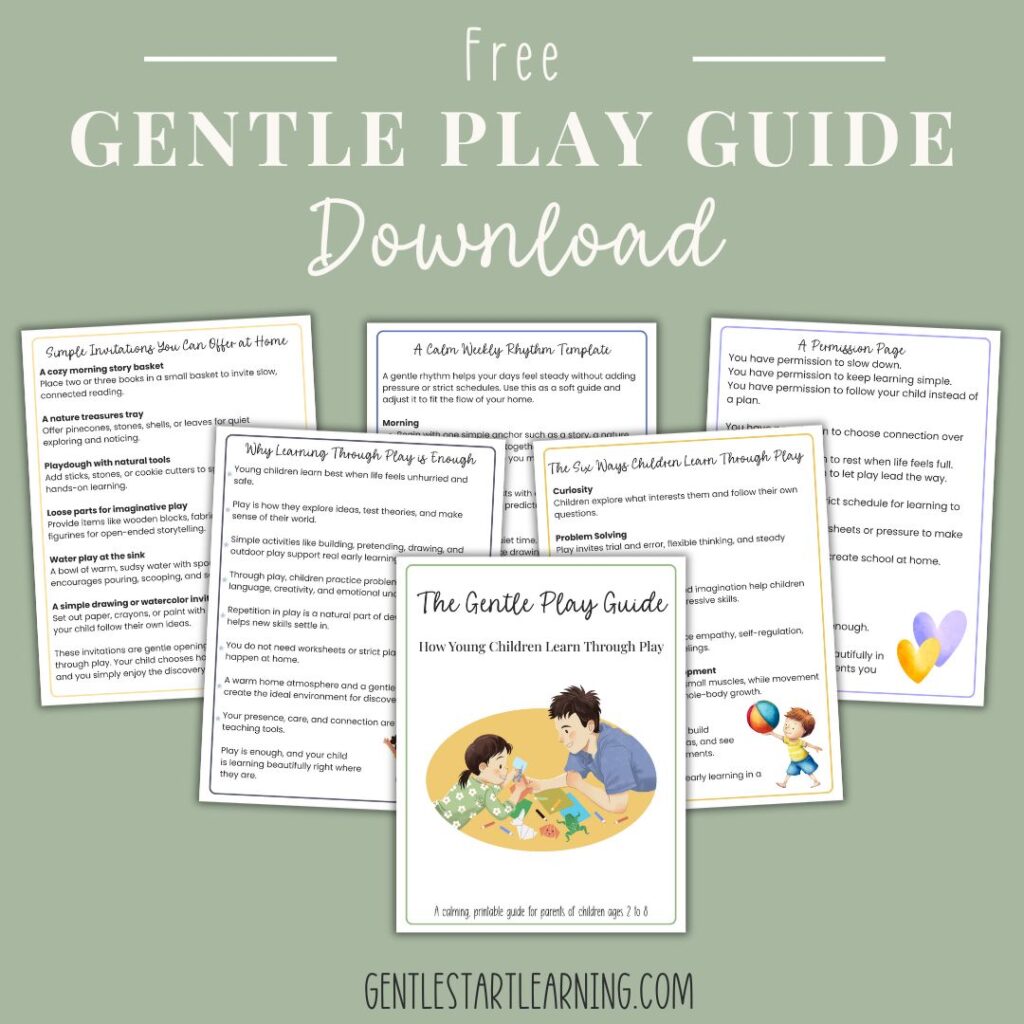
Simple Play Invitations That Count as Learning
Play invitations do not need to be elaborate to support rich learning. They simply give your child a soft place to explore, imagine, and follow their own curiosity. I often remind myself that the simplest setups are usually the ones children sink into the most.
Here are a few calm, open-ended ideas to offer at home:
- A small basket of loose parts for imaginative play
- A cozy morning story basket with a few favorite books
- Playdough with natural tools like sticks, stones, or shells
- A nature treasures tray with a magnifying glass
- Water play at the sink with bubbles or spoons
- A simple drawing or watercolor invitation on a quiet afternoon
Each of these is an invitation, not an assignment. You are simply opening the door to discovery and letting your child walk through at their own pace.
If you ever worry that you’re behind, take a slow breath and remember that learning unfolds in its own time. Your steady presence, your home atmosphere, and the love woven into your days matter far more than any curriculum ever could.
Your child is already learning through play every single day. In the small moments, in the questions they ask, in the way they explore and imagine and return to the things that interest them, real learning is happening.
You have permission to keep things simple. You can choose joy over pressure and connection over perfection. You are doing enough, and your child is growing beautifully right where they are.
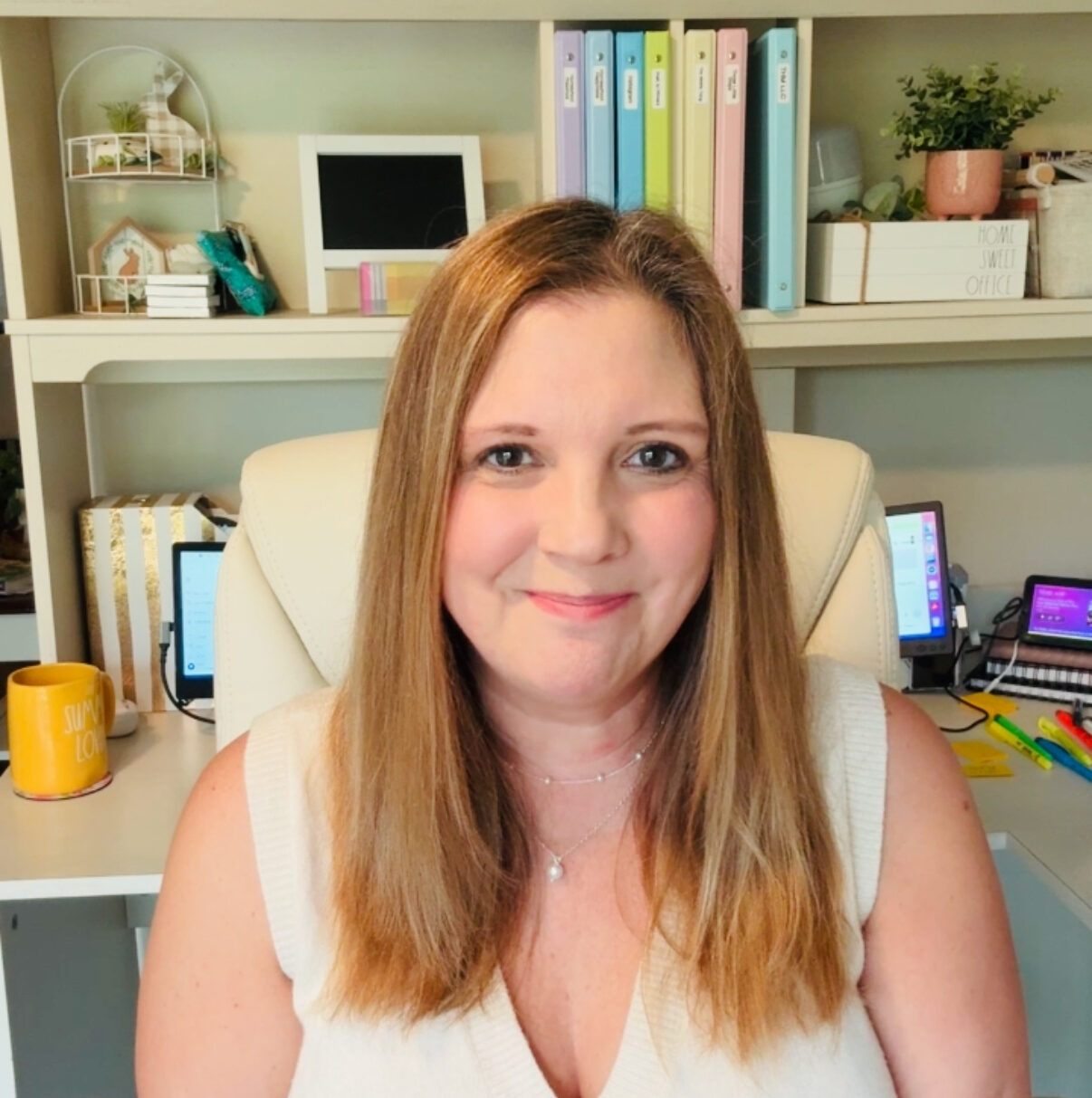
Tara helps families create a gentle, joyful learning life at home. Through simple rhythms, child-led learning, and meaningful play, she offers calm encouragement and developmentally aligned ideas for homeschooling little ones with confidence.