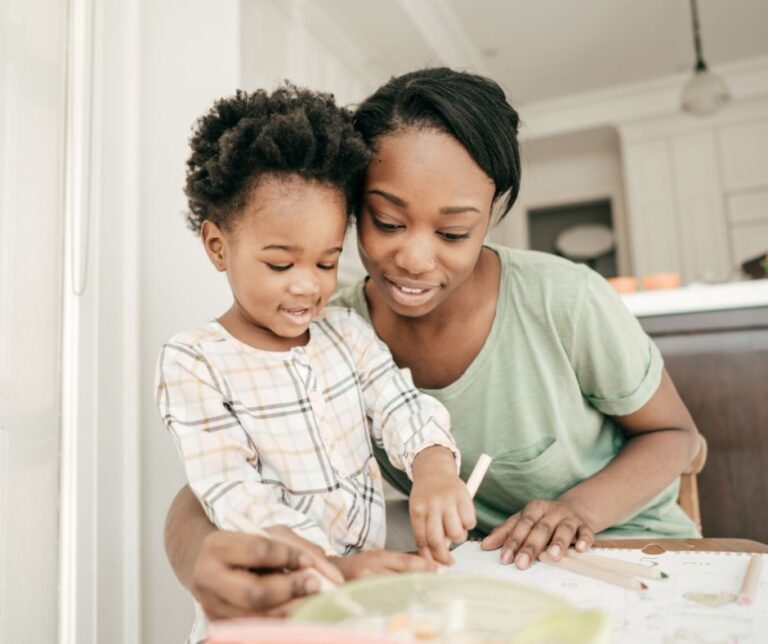
What Counts as Learning in the Early Years
What counts as learning in the early years is a question almost every parent asks at some point, especially when gentle homeschooling meets real life and the days start to feel full.
If you’ve ever caught yourself wondering whether your child is learning “enough,” you’re in good company. It’s so easy to look at unfinished activities or a busy week and worry that learning has somehow paused.
But early learning isn’t measured by worksheets or perfectly planned lessons. It shows up in curiosity, in connection, in those tiny everyday moments you barely notice.
So let’s slow this down for a minute and look at the learning already tucked into your home, your rhythm, your real days.
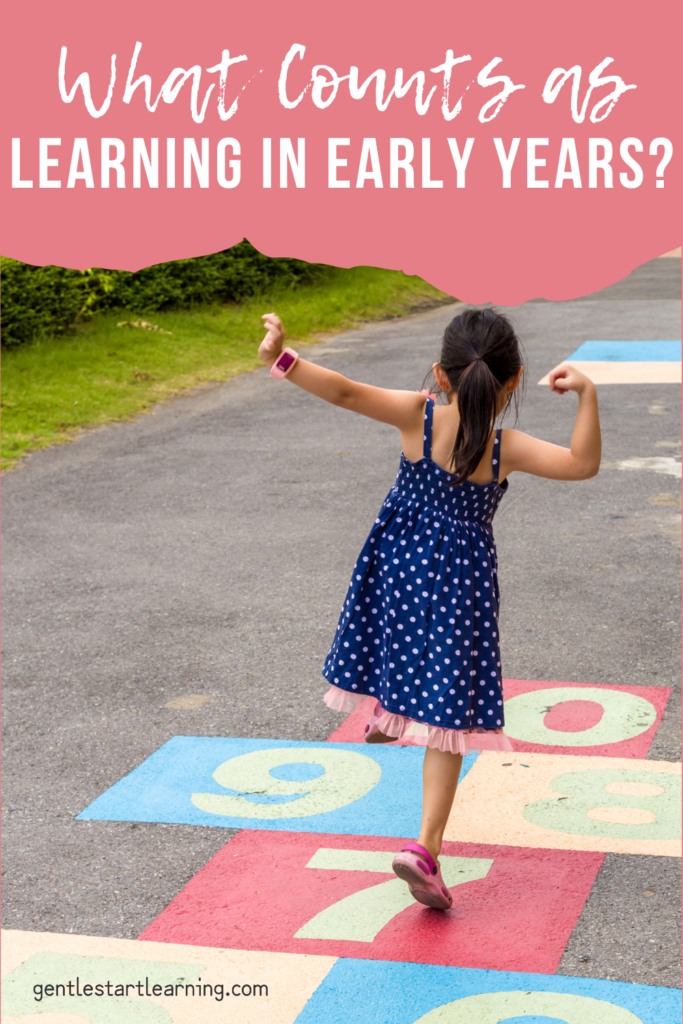
At a Glance
Here’s the heart of what counts as learning in the early years:
• Curiosity and exploration through everyday play
• Hands-on motor skills built through real-life tasks
• Language growth through conversations, stories, songs
• Early math discovered in daily routines
• Little life skills that build confidence and independence
• Emotional and social learning woven into family life
Learning doesn’t depend on perfect plans or structured lessons.
It happens naturally, right in the middle of your real days.
Rethinking What Learning Really Looks Like
When most of us think about learning, our minds jump straight to school-at-home images: worksheets, structured lessons, tidy objectives, and something to “show” at the end of the day. It’s completely understandable. That’s the model we grew up with, so it’s the one we reach for when we want to make sure our children are learning.
But early learning doesn’t begin at a table. It begins in curiosity.
Young children are wired to explore, imitate, test ideas, and wonder about absolutely everything. They learn by touching, moving, asking questions, experimenting, watching us, and repeating the things that fascinate them. It’s sensory. It’s relational. It’s woven into every corner of daily life.
When we step back from the school-at-home mindset, we start to see how much learning is already happening without any formal teaching at all. A child sorting rocks, listening to a story, helping stir pancake batter, explaining their artwork, or trying to put on their own shoes is building real skills. Real understanding. Real growth.
This is the heart of gentle homeschooling. Learning happens everywhere, in the middle of real moments, with you right there offering connection and calm guidance. You don’t have to recreate a classroom for learning to count. Your home, your rhythm, and your everyday life are already rich with opportunities.
Why Structured Lessons aren’t the Measure of Progress
It’s so normal to feel the pressure to “prove” that learning is happening. Many parents slip into thinking that unless there’s a finished worksheet or a structured lesson, nothing meaningful took place. That pressure runs deep, and it can quietly convince you that early learning only counts when it looks academic.
But the truth is, early learning rarely looks like a lesson plan. Young children learn best through real-world rhythms: the conversations you share, the simple tasks they help with, the play they dive into, the questions they come up with on their own. These everyday moments develop skills that no worksheet can capture.
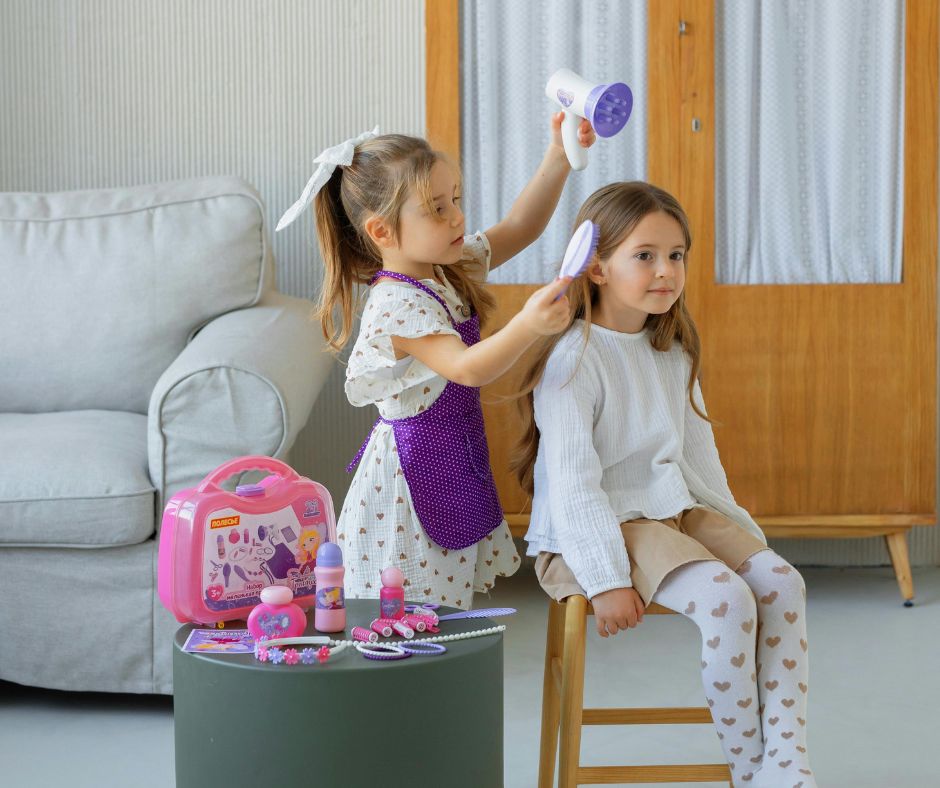
A morning spent helping with breakfast can strengthen motor skills, sequencing, and early math. A long pretend-play session can build language, problem-solving, and emotional understanding. Even a slow day where nothing “special” happens is full of observation, imitation, and quiet growth.
Learning doesn’t pause when life feels ordinary or imperfect. Those are often the days when children soak up the most—because they have space to explore, try things, connect with you, and settle into the natural rhythm of home.
You are already offering rich learning simply by living life alongside your child.
What Counts as Learning in the Early Years
Once we step away from the school-at-home mindset, it becomes easier to see how much learning is woven into everyday childhood. These gentle categories can help you notice the growth happening right in front of you.
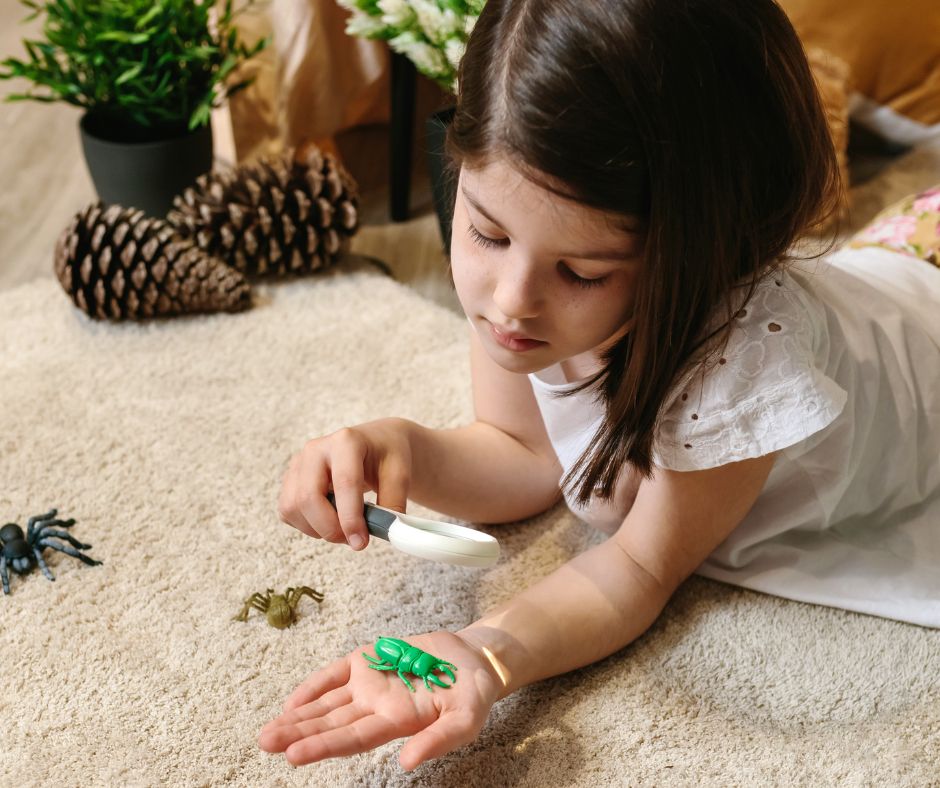
Curiosity-Driven Exploration
Curiosity is the engine of early learning. When children follow their interests, they build understanding in a way that sticks.
• Investigating objects
• Asking questions
• Open-ended play
• Imagining, pretending, storytelling
These moments may seem simple, but they build thinking, creativity, and problem-solving skills.
Hands at Work
Motor development grows through movement and real-life participation, not isolated drills.
• Pouring, scooping, transferring
• Building with blocks
• Threading beads, puzzles, playdough
• Helping with simple daily tasks
Every time a child uses their hands with purpose, they’re strengthening coordination, focus, and independence.
Storytime and Sounds
Language thrives in a home filled with conversation and shared stories.
• Conversations throughout the day
• Reading aloud
• Singing, rhymes, and songs
• Naming, noticing, narrating
These interactions build vocabulary, comprehension, and a natural foundation for literacy.
Everyday Math Concepts
Math begins long before worksheets. It shows up in the tiny comparisons and patterns children notice on their own.
• Counting during play
• Sorting items
• Comparing sizes, shapes, or quantities
• Recognizing patterns in nature or toys
When math is part of daily life, it feels intuitive instead of intimidating.
Little Life Skills
These quiet skills often matter more than anything academic in the early years.
• Dressing, tidying, helping
• Following simple steps
• Practicing independence
• Caring for their space and belongings
These moments build confidence, competence, and the foundations for future responsibility.
Social and Emotional Learning
This area grows slowly and deeply through everyday interactions and supported moments.
• Managing big feelings with support
• Sharing, turn-taking, cooperating
• Building confidence through trying, failing, trying again
This is the heart work of early childhood. It’s where resilience, empathy, and trust take shape.
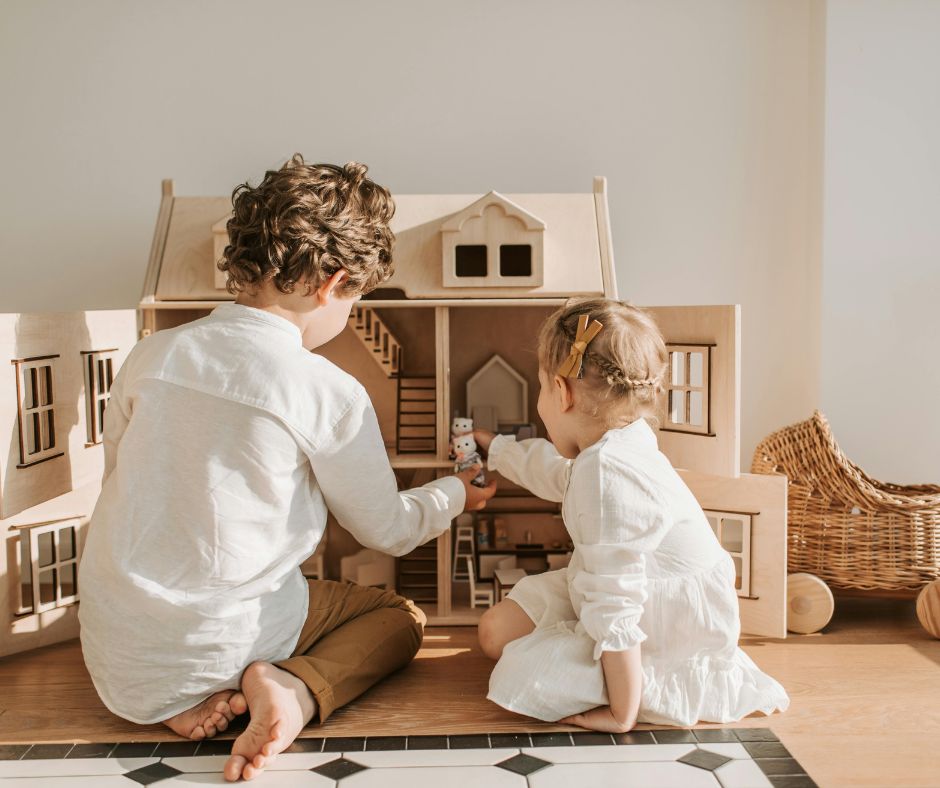
Learning Happens Even When You’re Not “Teaching”
Some days feel messy or slow or completely unstructured, and it’s easy to wonder if any learning happened at all. But these are often the days when children do their deepest work. When the schedule loosens, they have room to explore, tinker, try things, and follow their own curiosities in ways we can’t always plan.
Invisible learning is happening in these pockets of ordinary life:
• Problem-solving as they figure out how to build a taller tower
• Risk assessment while they climb, balance, or test limits
• Creativity as they turn everyday objects into something entirely new
• Persistence when they try again (and again) after something doesn’t work the first time
None of this looks like a lesson, but it’s real learning. And it counts.
Your presence matters more than any activity. Sitting nearby, responding when they check in, offering a calm word or a gentle nudge when needed—these simple interactions shape how your child approaches learning. You don’t have to “teach” every moment for growth to happen. Just being there, noticing, and supporting is often exactly what they need.
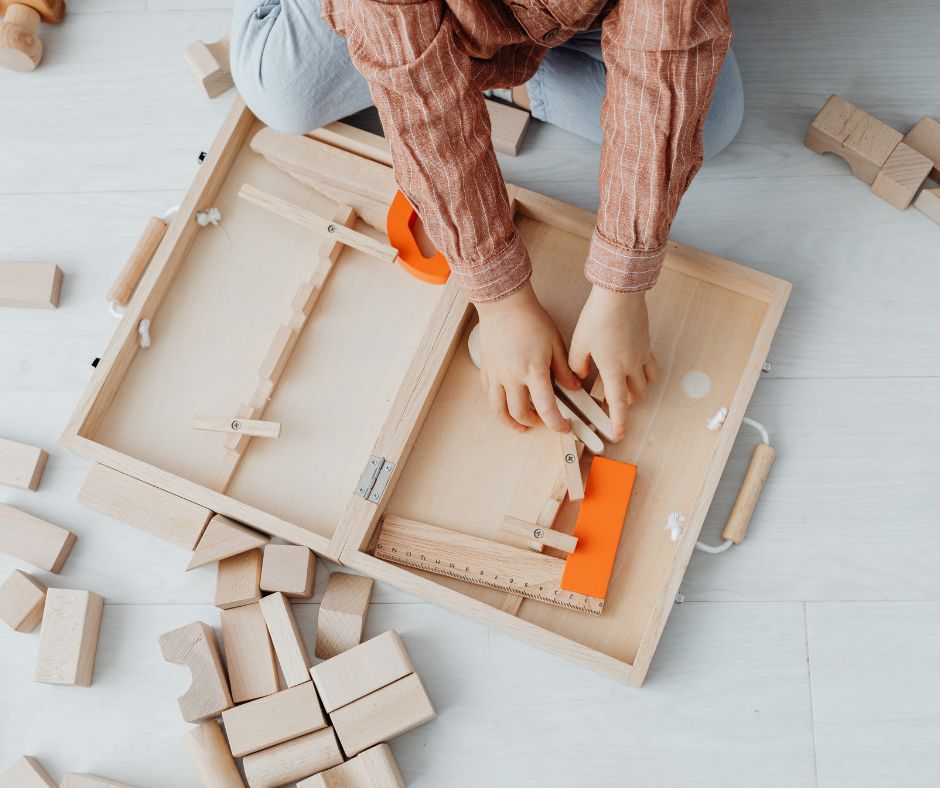
Simple, Low-Prep Invitations That Support Natural Learning
When you want to offer something intentional without adding pressure, simple invitations can be a lovely middle ground. These aren’t assignments or activities you need to complete. They’re soft starting points—little nudges that give your child something interesting to explore if they choose.
A few easy ideas:
• A basket of books set where your child can reach them
• Blocks or loose parts arranged on a tray
• Playdough with a few simple tools
• Art supplies available for self-directed creation
That’s it. No script. No expectation. No “finish this.”
Just materials placed with care, waiting for curiosity to do the rest.
Children learn so much simply by having access to inviting materials in a calm, spacious environment. Whether they dive in or walk right past it, you’ve still created an opportunity—and that’s enough.
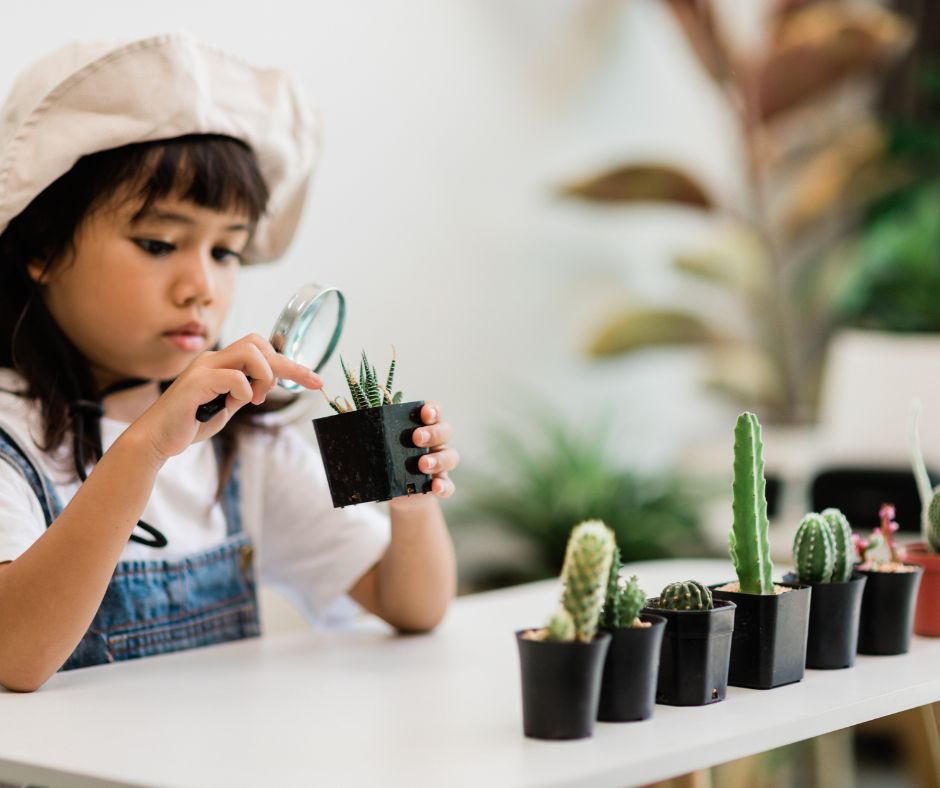
What Growth Looks Like in Real Life
It’s easy to miss the quiet ways children grow when we’re looking for big, obvious milestones. But real progress in the early years shows up in tiny shifts, small victories, and the way your child moves through their day with a little more confidence than before.
Here are signs of growth you can gently watch for:
• Increasing independence
• Longer or more complex play
• New vocabulary or clearer communication
• Trying new challenges, even small ones
• Returning to familiar materials in deeper, more focused ways
• Noticing, questioning, imitating, experimenting
These are the markers that truly matter in early childhood. They’re steady, natural, and often invisible unless we slow down enough to notice them. And every one of these moments is a reminder that learning is already happening right where you are.
If you’ve been wondering whether you’re doing enough, take a breath. You are. Your child is learning in ways that don’t always show up on paper, and much of that growth is happening because of the calm, connected environment you’re creating.
Gentle homeschooling isn’t about performance. It’s not about perfect plans or perfectly executed activities. It’s about presence, connection, curiosity, and noticing the learning that unfolds naturally when children feel safe and supported.
You’re guiding with intention simply by being attentive, responsive, and willing to slow down. And that matters more than any checklist ever could.
Your child is learning. You’re capable. Let’s slow down and enjoy these early years.

Tara is a former classroom teacher who homeschooled for 18 years. After nearly quitting in year 3, she discovered the “gentle middle” — a calmer approach between rigid curriculum and unschooling. She now helps parents release school-at-home pressure and build confidence in natural learning rhythms. Learn more about Tara’s journey.