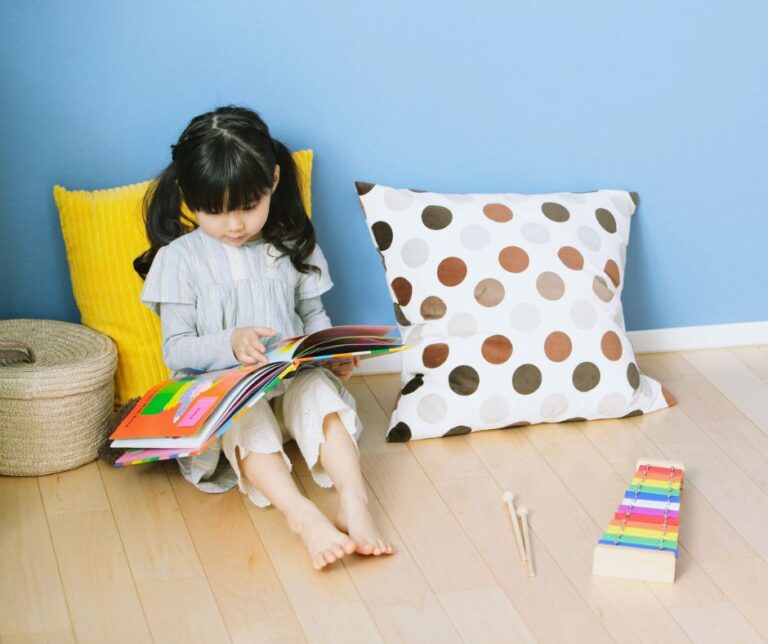
Gentle Principles for Early Learning at Home
Early learning at home doesn’t begin with a curriculum or a perfect setup. In fact, here at Gentle Start Learning, we start with something much simpler. We begin with your real life — the cozy corners, the messy mornings, the little hands pulling you toward whatever has captured their curiosity today.
There’s no pressure here and no performance required. Your child doesn’t need a classroom to learn, and you don’t need to become a teacher to guide them. Early learning grows naturally out of presence, connection, and the everyday moments you’re already sharing.
This is your soft reminder that you’re capable. Your home is enough. And learning has already begun, right where you are.
At a Glance
• Early learning at home grows from everyday moments.
• Simple rhythms support learning without a rigid structure.
• Curiosity leads the way, and you gently guide.
• Connection matters more than perfect activities.
• Your home is already a meaningful learning space.
Gentle Principles for Early Learning at Home
As you settle into early learning at home, it helps to have a few guiding principles that keep things calm and grounded. These aren’t rules or a checklist to follow.
They’re simple reminders that show you how much learning can grow from the everyday moments already happening around you. Let these principles gently shape the way you see your home, your rhythm, and your child’s natural curiosity.
Principle One: Children Are Wired to Learn
Little ones are naturally curious. They notice everything, ask endless questions, and follow their interests with full-hearted focus. This curiosity is the engine behind early learning, and it doesn’t depend on planned lessons or fancy activities.
It shows up in the quiet, everyday moments: watching shadows dance on the wall, stirring pancake batter until it feels “just right,” organizing toys into little groups, chatting with you in the car about whatever they see out the window.
You don’t have to create learning before you can notice it. When you slow down and pay attention, you’ll see that your child is already learning in ways that are real, meaningful, and completely natural.
Principle Two: Connection Is the Foundation
Kids learn best when they feel safe, seen, and deeply supported. That sense of connection becomes the steady ground they explore from. And the beautiful thing is, it grows in simple, everyday moments, reading together on the couch, slowing down long enough to really listen to their stories, or working side-by-side as you fold laundry or prep a snack.
When a child feels emotionally safe, they’re far more willing to try new things, ask questions, and make mistakes without fear. Connection matters more than “getting it right.” It’s the quiet confidence your child carries into everything they do.
Principle Three: Keep It Simple
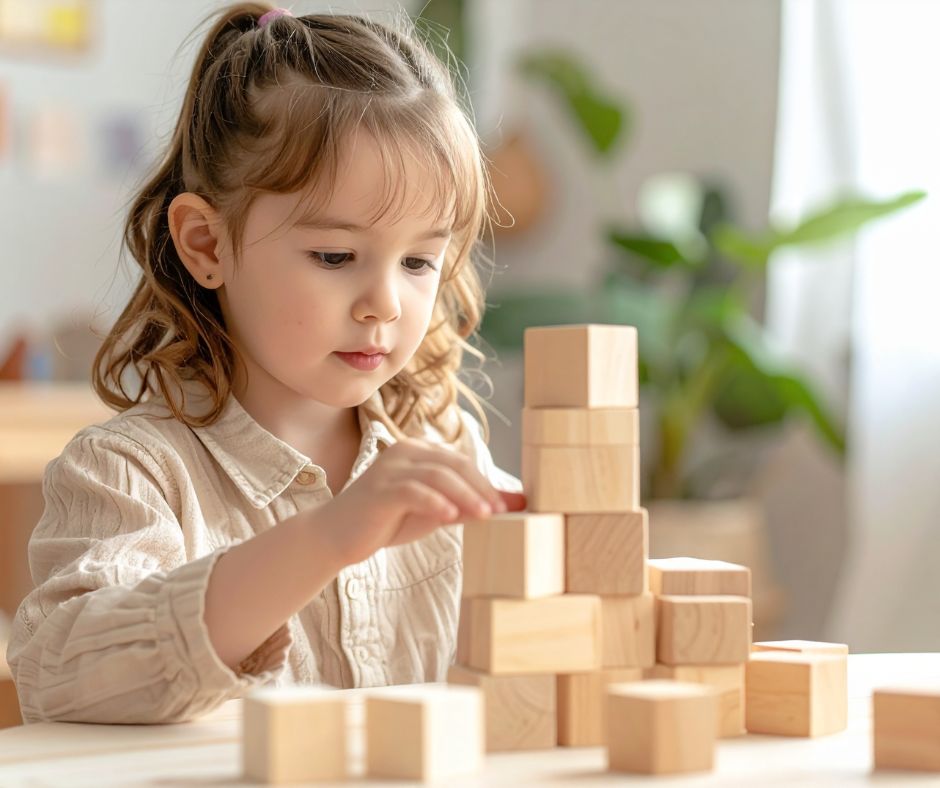
Early learning at home thrives on simplicity. When there is less setup, there is less overwhelm and far less pressure on both you and your child. Simple materials often invite the deepest play. Blocks, books, a bowl of water, Play-Doh, or treasures collected from outside can spark hours of curiosity.
You can offer easy invitations that take only a moment to set out. A tray with a few blocks and some nature finds. A stack of picture books beside a cozy chair. A bowl of water with cups for pouring. These small setups feel accessible and gentle, and they give your child space to explore at their own pace.
Principle Four: Follow the Child, Guide with Intention
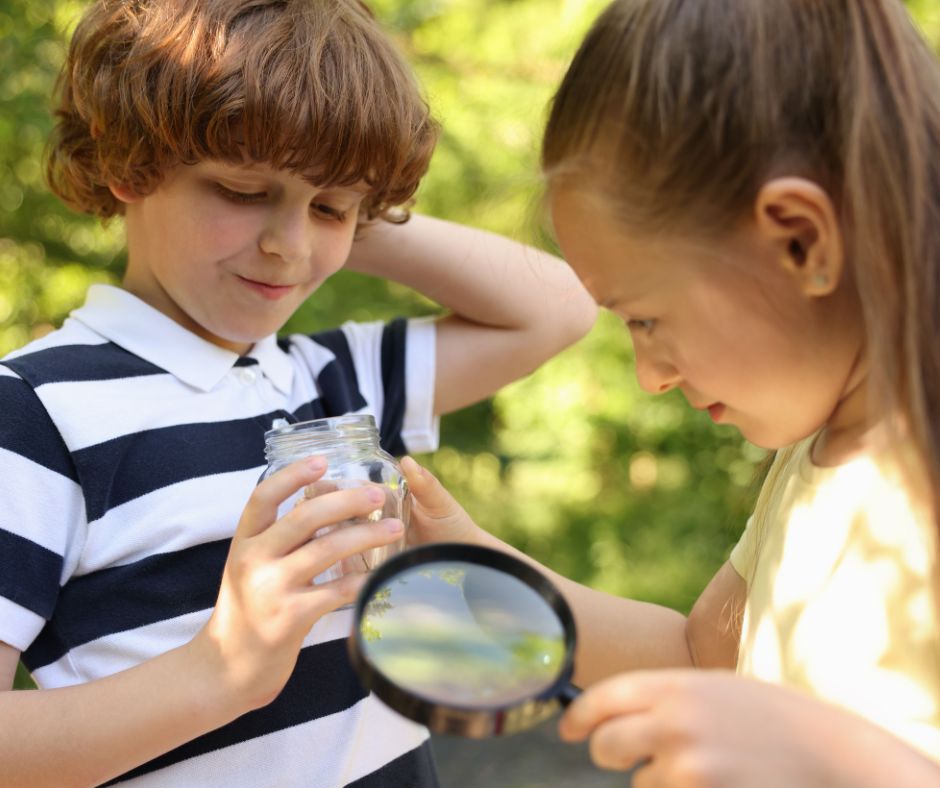
There is a sweet spot between strict school at home and hands off unschooling. This is where gentle learning lives. You follow your child’s natural interests, but you also offer thoughtful guidance that supports their growth. It is not about directing every moment, and it is not about stepping back completely. It is a soft partnership.
Start by noticing your child’s curiosity cues. Maybe they are stacking blocks over and over, pointing to letters on signs, lining up toy animals, or asking questions about the weather. These moments show you where their mind is already going. You can gently build on what they are exploring by offering a related book, a simple activity, or a chance to dig a little deeper.
Let their curiosity set the pace. When you follow their lead with intention, learning becomes calm, meaningful, and naturally joyful.
Principle Five: Rhythm Supports Learning, Not Structure
A helpful rhythm gives your day a gentle shape, but it never needs to feel rigid. Kids feel grounded when they know what to expect, yet they also thrive when there is room to breathe and follow their curiosity. Think of rhythms as soft anchors rather than a strict schedule.
These anchors might look like morning snuggles before the day begins, a little fresh air in the afternoon, or a daily read aloud that brings everyone together. They are simple touchpoints that create steadiness without locking you into specific times or tasks.
Start by noticing what already works in your home. Pay attention to the moments that naturally flow and build your rhythm around those. A good rhythm serves your family, not the other way around.
Principle Six: Everyday Life Counts
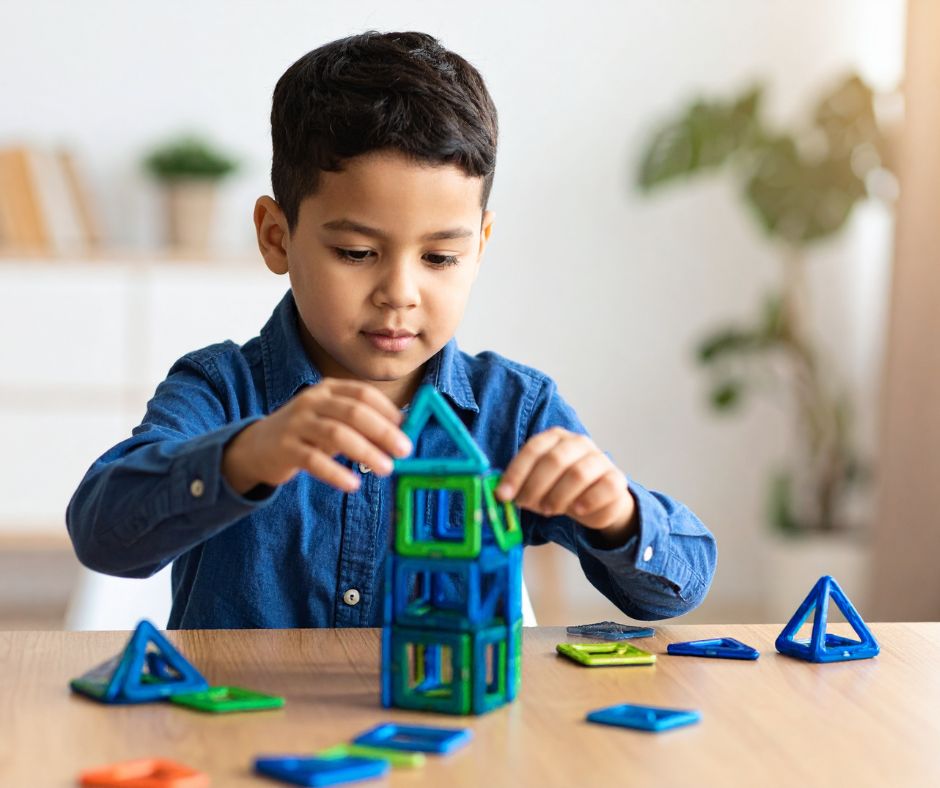
Home is already a rich learning environment, even when it feels ordinary. Chores, conversations, nature walks, cooking together, pretend play, and the small problems kids try to solve throughout the day all support meaningful growth. These moments build language, motor skills, confidence, curiosity, and so much real world understanding.
When you start to see everyday life as part of your child’s education, the pressure to create perfect activities begins to fade. Learning is woven into the rhythm of your day, right alongside the messes and the magic.
The calm truth is this: learning happens everywhere. Your home is already doing more than you realize.
Principle Seven: Slow Down and Notice the Tiny Moments
So much learning happens quietly. When you slow down just a bit, you start to catch the tiny sparks you might have missed before. These moments are small, but they reveal so much about your child’s growth and curiosity.
You might notice new vocabulary slipping into their play. Maybe their pretend scenes are getting more detailed. You may see longer stretches of focus, growing independence, or a return to a favorite activity with fresh ideas or new challenges they set for themselves.
These are real markers of learning. They are gentle, steady, and easy to overlook in a busy day, but they matter far more than any completed worksheet.
Principle Eight: You Don’t Have to Prove Learning
One of the biggest pressures parents carry is the feeling that they must show evidence that learning is happening. But early learning at home is not measured by checklists, portfolios, or a pile of completed worksheets. It shows up in lived moments, not in paperwork.
When you let go of the need to document every bit of progress, you make space for something far more meaningful. You get to notice the real learning that happens in conversations, in play, in curiosity, and in the steady growth you see over time.
You do not have to prove learning for it to count. Your presence, your connection, and the everyday moments you share with your child are already enough.
Principle Nine: Create an Atmosphere, Not a Classroom
A gentle learning home feels warm, inviting, and lived in. It does not look like a classroom. Instead, it feels like a place where curiosity can breathe. Cozy corners for reading, natural light where kids naturally gather, materials placed where little hands can reach them, and open spaces that invite movement all help learning unfold naturally.
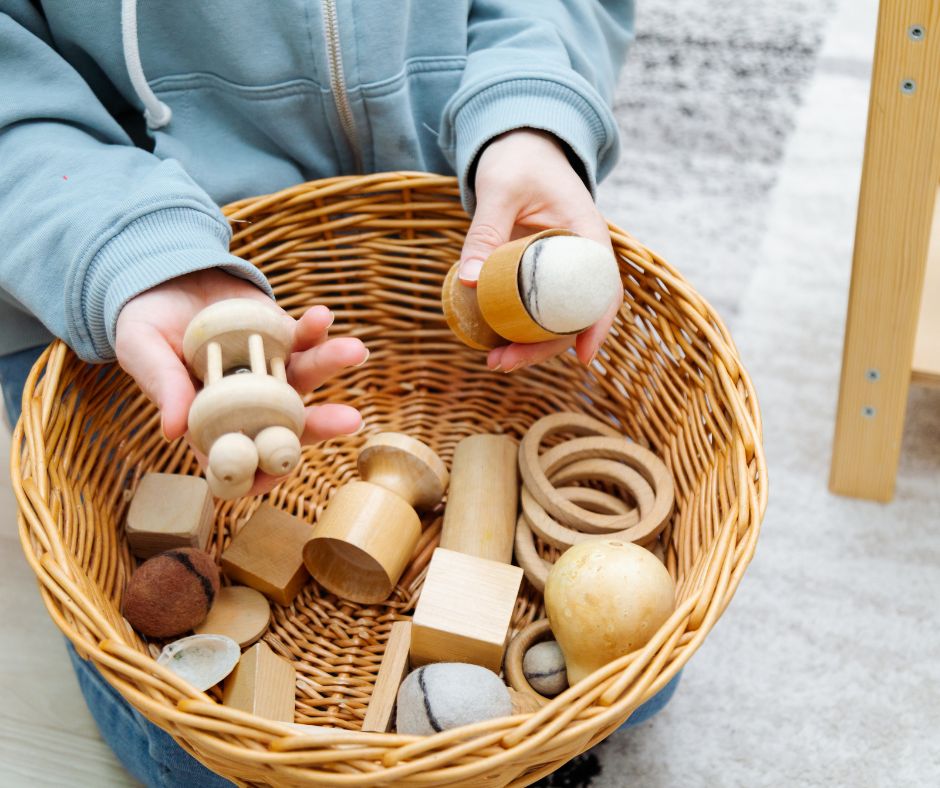
You can soften your environment without buying anything new. Clear one small surface so a child has space to play. Gather a few favorite books in a basket. Place crayons and paper within reach. Bring in a little nature, like pinecones or a few smooth stones from outside. These small touches create an atmosphere that says this is a home where learning feels calm, welcoming, and beautifully simple.
As you move through these gentle principles, remember that you are already doing more than you realize. You are enough. Your home is enough. Your child is already learning in ways that may never show up on a checklist, but they matter deeply.
You do not have to struggle through these early years. You get to enjoy them. Let yourself exhale. Trust the connection you have with your child, trust the small moments you share, and trust that learning is growing quietly and beautifully right in the heart of your home.

Tara is a former classroom teacher who homeschooled for 18 years. After nearly quitting in year 3, she discovered the “gentle middle” — a calmer approach between rigid curriculum and unschooling. She now helps parents release school-at-home pressure and build confidence in natural learning rhythms. Learn more about Tara’s journey.