How Your Home Shapes Homeschooling
Creating a home learning environment doesn’t start with shelves or supplies. It begins with the feeling inside your home as a learning space. Most of us step into homeschooling thinking we need structure, schedules, and a setup that looks a certain way, but the truth is far softer than that. Learning grows out of the tiny moments already happening in your day, the ones you barely notice because they feel so ordinary.
When we slow things down enough to see them, we realize something freeing. Our homes are already shaping how our children learn. The atmosphere, the rhythm, the way we invite play and connection all help build a foundation of curiosity and confidence. You don’t need perfection. You just need presence.
At a Glance
• Your home already supports learning long before you set up a space
• Small cues like rhythm, atmosphere, and connection shape how your child learns
• You don’t need a dedicated schoolroom to create a meaningful learning flow
• Gentle invitations and everyday moments do more than structured lessons
• A peaceful home rhythm builds confidence for both you and your child
Learning Starts with Home
Before you gather supplies or plan activities, it helps to pause and notice what’s already happening around you. Learning is woven into your family’s everyday life.
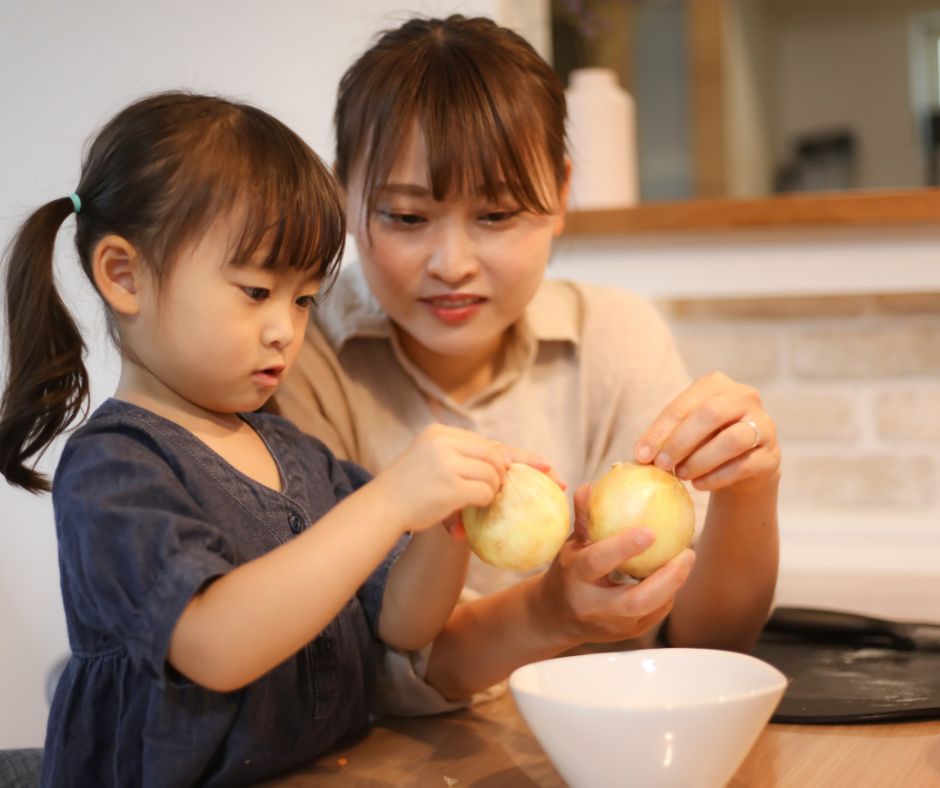
It shows up in the way your child stacks blocks while you make breakfast, flips through a familiar book, or follows you from room to room asking curious questions.
Home is the child’s first classroom in the simplest, most joyful way. You don’t need a polished setup to begin guiding with intention. The rhythm of your days, the tone you carry, the small invitations you leave out. All of it shapes how your child explores and understands the world.
Take a breath. You’re already creating a foundation for learning just by living life together.
Why Your Home Learning Environment Matters More Than a Curriculum
In the early years, learning doesn’t hinge on a perfect plan. It depends on how a child feels. Children learn best when they feel safe, connected, and unhurried, which makes the tone of your home far more influential than any curriculum you could buy. A peaceful, responsive environment gives kids the confidence to explore, try new things, and return to play again and again.
Your relationship becomes the anchor of homeschooling. The way you listen, the way you slow down, the way you create space for curiosity shapes everything else. Even the simplest parts of your home influence how your child engages with the world: where they settle into play, how long they stay, and how they respond to gentle guidance.
Presence over performance. Learning everywhere. Tiny moments count.
The Subtle Ways Your Home Shapes Everyday Learning
So much learning grows out of quiet, almost unnoticed parts of your day. Here are a few gentle places in your home where your child is already supported.
The Atmosphere
The tone, pace, and emotional safety you create matter. When you move through the day with a slow, responsive, relational approach, your child feels that learning is welcome rather than pressured.
The Rhythm
A predictable flow helps kids settle into play. Gentle daily anchors offer space for curiosity without relying on a tight schedule.
The Invitations You Leave Out
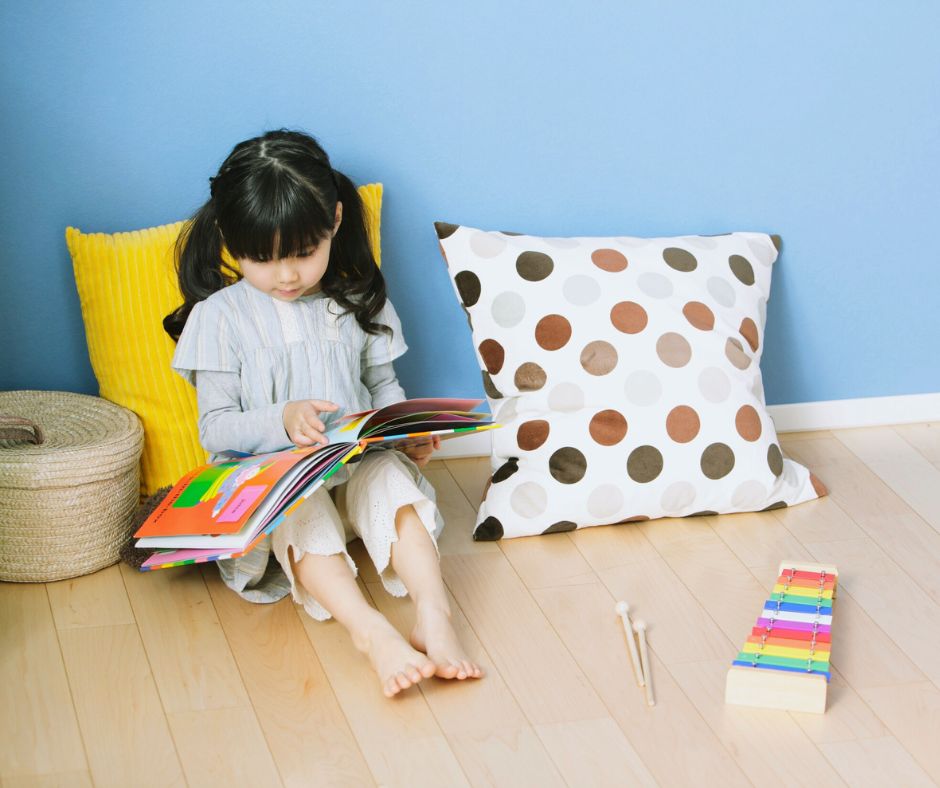
Simple setups spark exploration. A tray of blocks, a basket of books, or a snack at the table quietly invite learning without turning it into a lesson.
The Freedom to Explore
Movement, noise, quiet corners, and hands-on play all support development. A flexible space encourages kids to follow their curiosity.
The Parent’s Presence
The way you show up shapes the whole experience. A calm, connected presence communicates safety and trust, helping your child feel capable from the inside out.
You Don’t Need a Perfect Home to Homeschool Well
It’s easy to believe homeschooling requires a polished space – a dedicated room, labeled bins, coordinated shelves. But you don’t need any of that to give your child a rich learning life.
You don’t need dedicated schoolrooms. You don’t need shelves of perfect materials. You don’t need a Pinterest-ready setup waiting for you each morning.
What matters most is the feeling your home gives your child. Do they feel welcomed? Seen? Safe to explore? Those simple things shape learning far more than structure ever will.
When you release the pressure to create the “right” environment, you start to see the beauty in the one you already have.
Three Simple Shifts That Make a Big Difference
You don’t have to overhaul your home to create a nurturing learning space. Small shifts often carry the most impact.
Shift #1: Clear One Corner, Not a Whole Room
Choose one small spot where play can unfold without overwhelm. A single shelf, a basket, or a tidy corner is enough to give your child room to explore.
Shift #2: Choose One Daily Anchor
Pick one predictable moment that grounds your day – a snack time read-aloud, morning outside time, or a quick tidy-up together. Think rhythm, not rigid routine.
Shift #3: Follow Their Curiosity Once a Day
Join their play for a few minutes and notice what pulls them in. Offer a gentle invitation, not a structured activity.
These tiny adjustments reflect guiding with intention instead of performing homeschooling.
Your Home Is Already Enough
At the end of the day, your home is the heart of early learning. Your child grows through real life, not perfect setups or color-coordinated shelves. You already have the tools that matter most — your presence, your rhythm, your connection.
You don’t need to transform your home or become someone else to homeschool well. You get to build a learning life that feels like you, one small moment at a time.
Take a breath. What you’re offering your child is more than enough.

Tara is a former classroom teacher who homeschooled for 18 years. After nearly quitting in year 3, she discovered the “gentle middle” — a calmer approach between rigid curriculum and unschooling. She now helps parents release school-at-home pressure and build confidence in natural learning rhythms. Learn more about Tara’s journey.